7/10
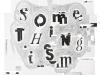
In an era increasingly defined by precision, polish, and algorithmic perfection, Juan J. Ochoa’s 'Something to Remember' feels almost quietly rebellious. The Barcelona-based composer’s fourth solo album finds its strength in fragility, uncertainty, and the small imperfections that reveal the human hand behind the music.
Built around Ochoa’s distinctive use of prepared piano, the record unfolds like a collection of personal reflections gathered over time. There is a sense of patience throughout these eight compositions, as if each piece has been allowed to arrive at its own pace.
Opening track 'Alone' immediately establishes the record’s central philosophy. Recorded on a slightly imperfect upright piano during a period of isolation, the piece embraces every uneven edge as it plays. The subtle imperfections become part of the emotional language, transforming what could have been a simple piano composition into something deeply intimate.
Elsewhere, he demonstrates an impressive ability to move between different worlds while maintaining a coherent artistic identity. 'Night Bus' carries the atmosphere of empty streets and late-night journeys, its understated melancholy lingering by its end. 'Hannah', inspired by Sion Serra’s Los diaris de Hannah, is among the album’s most intriguing moments, with altered piano strings creating harmonies that seem suspended between certainty and ambiguity.
The closing triptych of 'Earth I, II, III' provides a fitting conclusion. Moving through electronics, prepared piano, and synthesis, the three-part composition feels expansive without ever becoming grandiose. It serves as a culmination of the album’s central themes: connection, reflection, and the search for meaning in a fragmented world.
'Something to Remember' is not a nostalgic work, despite its title. It's an album about preserving moments that might otherwise be overlooked. In celebrating imperfection and embracing vulnerability, Juan J. Ochoa has created a record that feels both deeply personal and quietly universal. It's a thoughtful, absorbing collection that reminds us that the most meaningful art often resides in the details others choose to erase.